Top 9 Japanese Notebooks for Bullet Journaling Compared: Hobonichi, Midori, Stalogy (2026)
Japanese notebooks dominate bullet-journal conversation because of paper. Tomoe River, Midori MD, Mnemosyne, Tsubame Fools — each a recipe one mill perfected over decades (JetPens, 2024).
Quick Answer
- Hobonichi Cousin A5 is still the daily-page bujo benchmark — Tomoe River, $42.
- Midori MD Codex wins on lay-flat binding and cream-paper feel.
- Stalogy 365Days B6 packs 368 grid pages of 52gsm Tomoe-style paper for $29.50.
- Tomoe River is alive but reformulated. Sanzen Paper Mill took it over in 2021.
Last updated: May 2026
Affiliate disclosure: Bungu Daily earns commissions on qualifying purchases. Prices verified May 2026 from US retailers.
Japanese notebooks dominate bullet-journal conversation because of paper. Tomoe River, Midori MD, Mnemosyne, Tsubame Fools — each a recipe one mill perfected over decades (JetPens, 2024).
One housekeeping note. Tomoe River — the cult ultrathin paper that started this thread — was discontinued at the Tomoegawa mill in 2021 (Tomoegawa, 2021). Sanzen Paper Mill bought the rights for ¥300M and restarted production in Kanazawa (Pennoob, 2021). The 2024 reformulation is what every notebook here uses now. Slightly heavier, slightly less sheen, still the best ultrathin fountain-pen paper made.
| Rank | Notebook | Paper Brand | Size | Verdict |
|---|---|---|---|---|
| 1 | Hobonichi Techo Cousin | Tomoe River (Sanzen) | A5 | Best for committed daily journalers |
| 2 | Hobonichi Techo Original | Tomoe River (Sanzen) | A6 | Best pocket daily-page planner |
| 3 | Midori MD Notebook Codex | MD Paper | A5 | Best lay-flat for long entries |
| 4 | Stalogy 365Days | Stalogy 52gsm | B6 | Best date-grid undated bujo |
| 5 | Kokuyo Campus | Kokuyo 70gsm | B5 | Best budget student notebook |
| 6 | Maruman Mnemosyne | Mnemosyne 80gsm | A5 | Best wire-bound workhorse |
| 7 | Life Noble Note | Life L Writing | A5 | Best cream-paper journal |
| 8 | Tsubame University | Tsubame Fools | A5 | Best classic exercise book |
| 9 | APICA C.D. Premium | A.Silky 865 | A5 | Best super-smooth surface |
The ranking reflects four months of side-by-side journaling at the Bungu Daily desk with Pilot Iroshizuku, Sailor Manyo, and a Lamy 2000 EF nib. Every price is the May 2026 US retail spot.
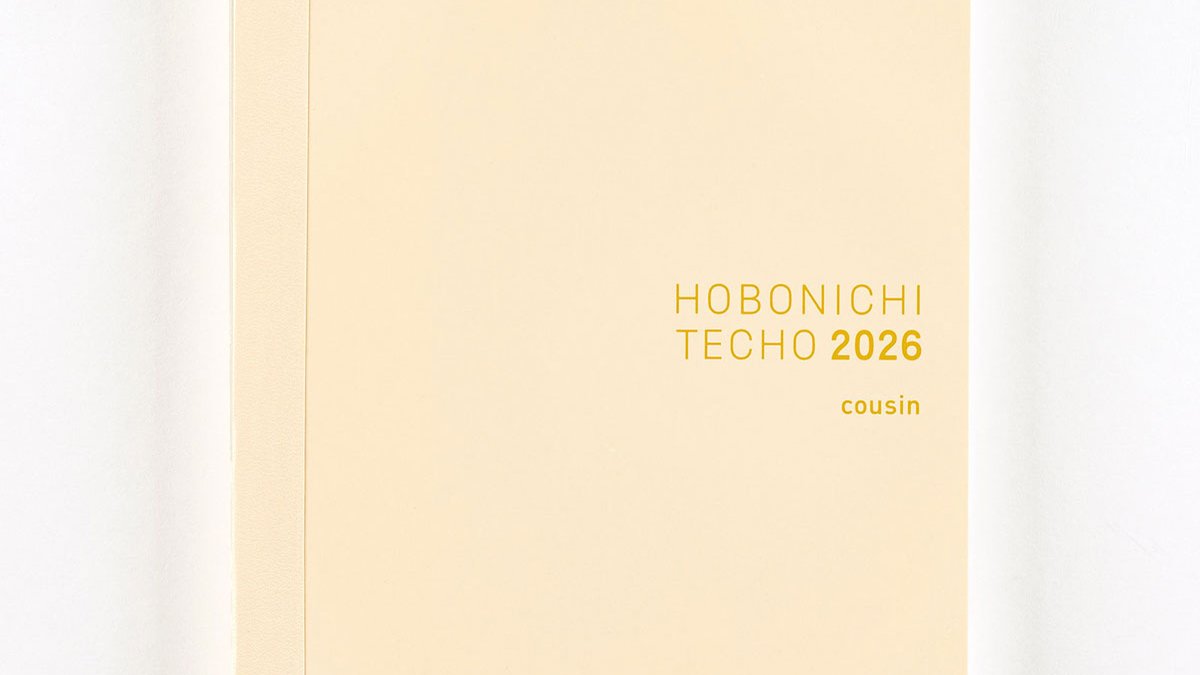
1. Hobonichi Techo Cousin A5 — Tomoe River Daily-Page Reference (Verdict: Best for committed daily journalers)
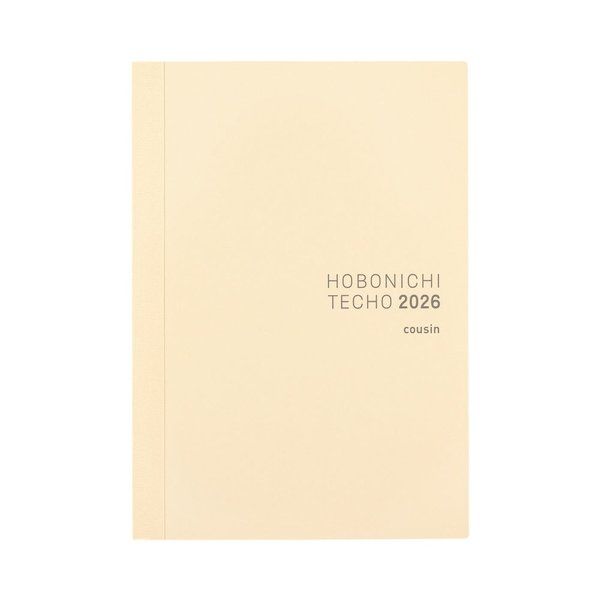
The Cousin is the largest Hobonichi planner — A5, one full page per day, January 1 through December 31 (Hobonichi, 2026). It uses Tomoe River paper (Sanzen reformulation since 2024), thread-stitched so it lays dead flat, with a 3.7mm grid in faint grey and small monthly + weekly spreads at the front.
Page format is fixed. Time bar down the left edge (6am to midnight), check-box column, daily quote in Japanese at the bottom. For bujo, the daily-page commitment is real: 365 pre-printed pages mean skipping a day still costs you a page. Bleed and show-through are minimal even with wet nibs — the Sanzen paper holds Iroshizuku Kon-Peki without ghosting on the next page (JetPens, 2025).
$42 at JetPens (2026), book only — covers run another $30-60 separately. The English edition is the easier US grab; Japanese edition ships from Yoseka and Boston General Store.
Right notebook for journalers who already write daily. Wrong notebook for anyone testing the habit — the unused pages will eat at you.
2. Hobonichi Techo Original A6 — Pocket Tomoe River (Verdict: Best pocket daily-page planner)
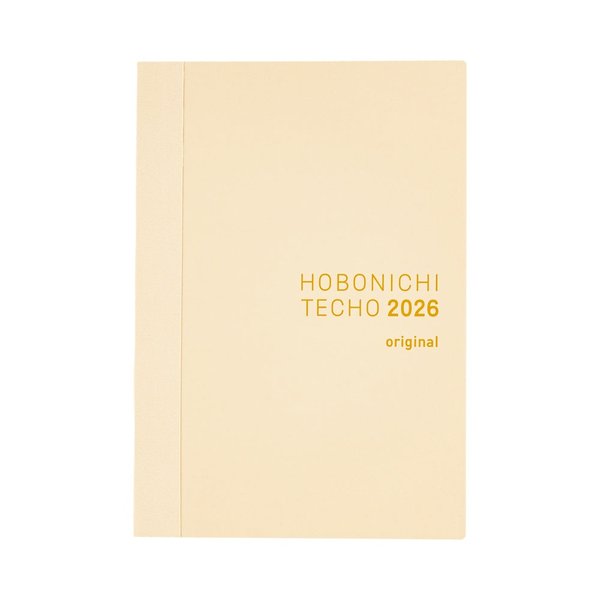
The Original is the A6 version — half the page size of the Cousin, same Sanzen Tomoe River, same one-page-per-day structure (Hobonichi, 2026). 4.1" x 5.8" fits a back pocket. The planner has run since 2002; 2026 marks the 25th anniversary edition.
Same thread-stitch binding, same 3.7mm grid as the Cousin. The trade-off is real-estate: A6 daily pages fill fast with any flex nib or broad italic. The compact size makes daily carry frictionless — the Cousin gets left at the desk; the Original travels.
$26 at JetPens (2026) for the book. Also at Boston General Store and Yoseka Stationery.
Best Hobonichi entry point. Pocket-size stakes are lower than the Cousin commitment.
3. Midori MD Notebook Codex A5 — Lay-Flat Cream Paper (Verdict: Best lay-flat for long entries)
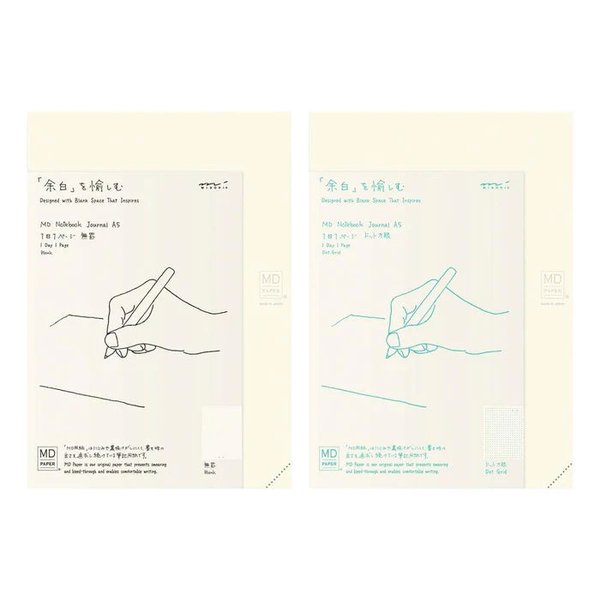
MD stands for "Midori Diary" — a house paper Designphil refined over 60+ years for fountain pen friendliness (JetPens, 2025). The Codex variant is the lay-flat hardcover: 368 pages, reinforced stitched binding, tear-off corners for marking finished pages, plain cream-white paper.
The "Codex" binding is the differentiator. The notebook opens fully flat from page 1 to page 368 — no spine-bounce, no need to crack it in. Cream paper is gentler on the eyes than the bright white in Hobonichi or Stalogy. The MD paper handles fountain pen ink with low feathering and almost no bleedthrough; ghosting is moderate but page-back-usable (Gentleman Stationer, 2024).
$48 at JetPens (2025) for the dot grid version. Blank and ruled run the same price. Also stocked at Cult Pens and Amazon US.
The right pick for long-form journalers who hate fighting their notebook to stay open. Worst pick for travelers — hardcover and weight punish daily carry.
4. Stalogy 365Days B6 — 368 Pages of Bujo Grid (Verdict: Best date-grid undated bujo)
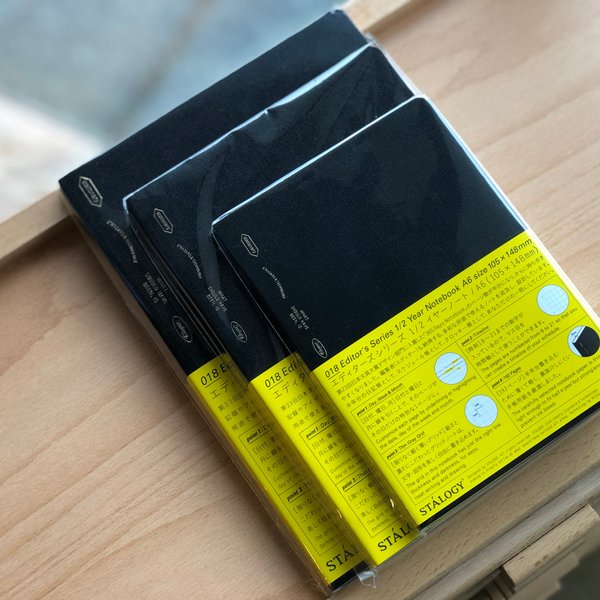
Stalogy's Editor's Series 365Days is the bullet-journal community's go-to undated notebook. B6 (5"x7"), 368 pages, 52gsm paper comparable to Tomoe River in weight and behavior (Pencilcase Blog, 2019). Thread-bound under a flat glue-look spine so it opens flat like a Midori MD.
The killer feature for bujo is the page header. Each page has a tiny date grid in the top-right (mark the day you started it) and hours 7 to 23 down the left edge. You can use the date system or ignore it. The 5x5mm grid is faint enough to disappear under writing. Show-through is real — 52gsm always shows the other side — but bleed is rare with anything short of a flex nib (Pen Addict, 2025).
$29.50 at JetPens (2026) for the B6 grid. The A5 lined runs the same; A6 grid drops to around $24. Galen Leather stocks the full B6/A5/A6 range.
Best price-per-page in this list. The flexible date system makes it the easiest bujo notebook to pick up mid-year.
5. Kokuyo Campus B5 — Student-Notebook Classic (Verdict: Best budget student notebook)
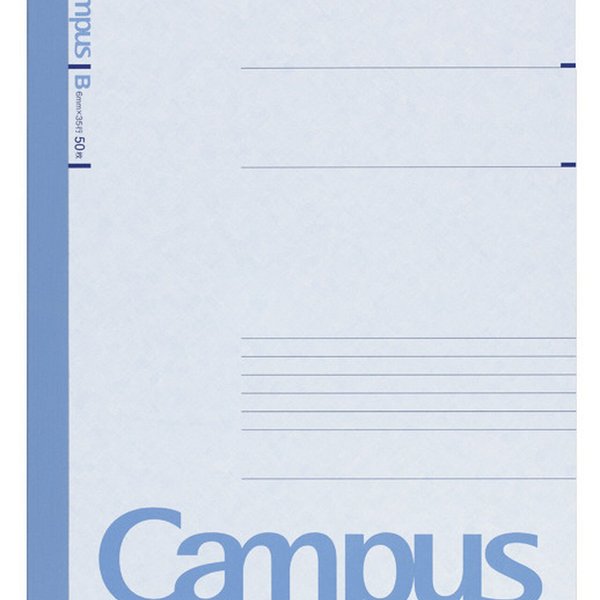
Campus is Japan's default school notebook — the green-cover B5 every junior-high student carries. 70gsm cream paper, 30 or 80 sheets, 6 or 7mm rule, glued binding (JetPens, 2024). Paper is fountain-pen tolerant but not optimized — wetter inks show ghosting and occasional bleed (Fountain Pen Love, 2023).
Campus is the entry tier. Commit to a Hobonichi Cousin for a year; commit to a Campus for a month, find out if you're a bujo person, then upgrade. $5-7 in the US through JetPens. The semi-B5 size (slightly smaller than full B5) is the standard.
Right notebook for trying bujo. Wrong if you've already settled on wet nibs.
6. Maruman Mnemosyne A5 — Wire-Bound Workhorse (Verdict: Best wire-bound workhorse)
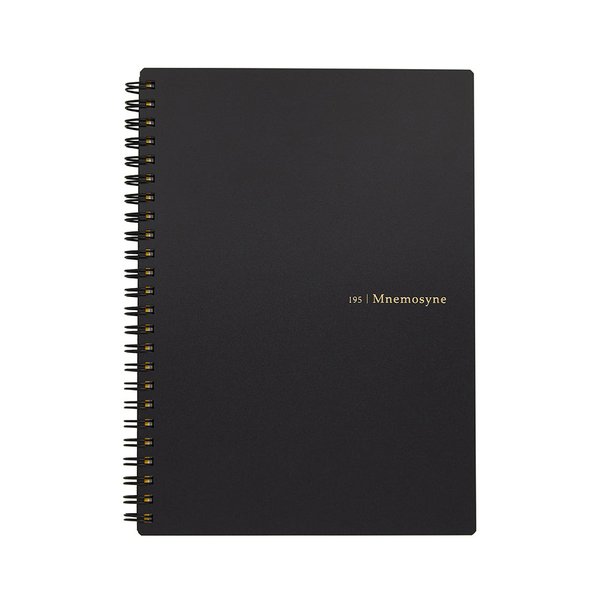
Mnemosyne is Maruman's premium spiral-bound line — 80gsm cream paper in twin-ring binding, perforated tear-out pages, plastic-stiffened back cover (JetPens, 2024). The A5 N195 lined and N194 grid are the standards. Some models bump up to 90gsm for thicker, more sheen-friendly stock.
For bujo, the wire binding is the signal. Lays completely flat. Folds back on itself. Survives daily desk abuse. The off-white Mnemosyne paper handles fountain pen ink with low ghosting and rare bleed — engineers and architects in Japan use Mnemosyne because it tolerates technical pens and fountain pens equally (Fountain Pen Love, 2024).
$14-16 at Goulet (2024) and JetPens for the standard 70-sheet A5. The 2025 hardcover A5 journal upgrade is reviewed at Gentleman Stationer and runs $30-35.
Best notebook for bujo users who write at a desk and want pages to fold flat backward. Worst for archivists — perforations make accidental page-loss easy.
7. Life Noble Note A5 — Cream-Paper Premium (Verdict: Best cream-paper journal)
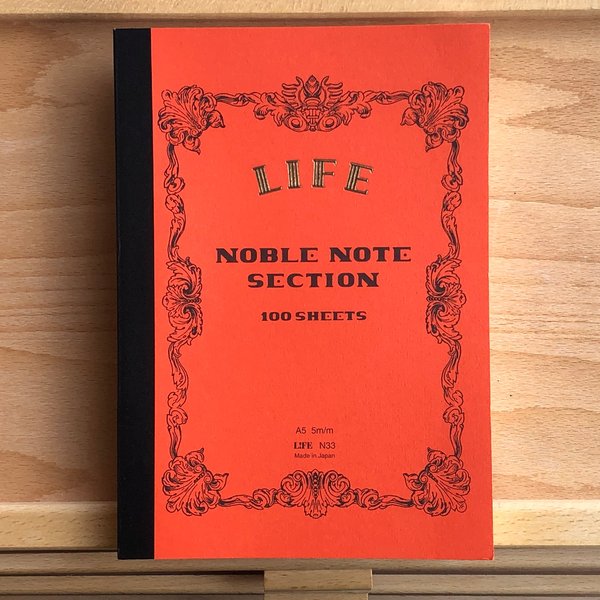
Life Stationery is a small Tokyo shop founded in 1949. The Noble line is their premium notebook — 100 sheets of 84.9gsm acid-free ivory paper, gold-foiled cover, thread-bound with adhesive spine (Pen Addict, 2025). The paper is Life's house "L Writing" stock — heavier than Tomoe River, with subtle tooth that gives ink-flow control without slowing the pen.
For bujo, Noble Note is the no-compromise journal pick. Cream paper is restful. Heavier paper means almost zero show-through and no bleed even with broad italics. The trade-off is page count and weight — 100 sheets fill faster than a 184-sheet MD Codex, and the bound spine doesn't lay perfectly flat (Fountain Pen Love, 2023).
$23 at JetPens (2024) for the A5 lined; graph and B6 versions are also stocked. Plain (blank) sells through specialty retailers like Journal Shop.
The "treat yourself" notebook. Paper quality is the best on the list for medium-wet nibs.
8. Tsubame University Notebook A5 — Japanese Schoolbook Classic (Verdict: Best classic exercise book)
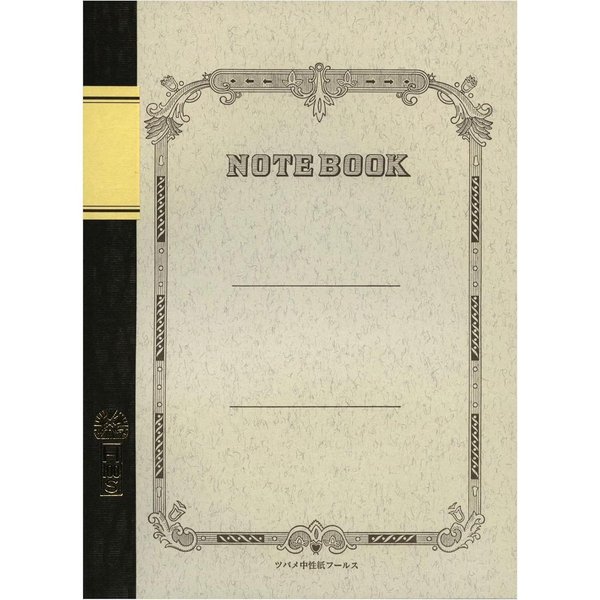
Tsubame Note is a Tokyo company that has made the same exercise-book format since 1947 (Pen Addict, 2020). The University Notebook is the iconic single-signature design — black cardstock cover, taped spine, 30 sheets of 80gsm Tsubame "Fools" paper inside. Fools is a misnomer; it's a high-grade acid-free pulp the mill has perfected since the postwar period.
For bujo, the format is honest. 30 sheets is enough for a month of daily logs, then you start a new book and stack the finished ones. Paper handles fountain pens with no feathering and no bleed; ghosting is average, both sides usable (Notebook Stories, 2022). The slight tooth gives pencil and pen both real feedback — different from the glassy Stalogy or APICA surface.
$5-7 at JetPens (2024) for the A5 lined. B5 runs the same. Stock fluctuates — it ships from Japan, so when US retailers run out, plan a month wait.
The right pick for bujo users who think of notebooks as disposable monthly chapters. Beautiful in the hand, cheap on the wallet.
9. APICA C.D. Premium A5 — Super-Smooth A.Silky 865 (Verdict: Best super-smooth surface)
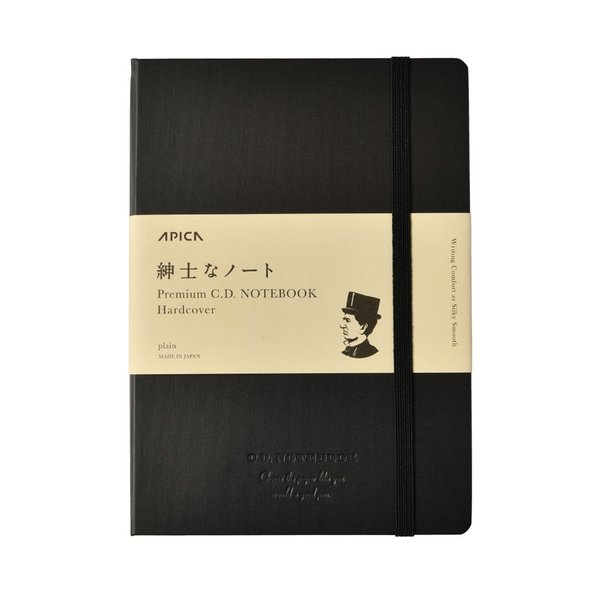
APICA's Premium C.D. is the upgraded version of the green-cover C.D. standard — 96 sheets of A.Silky 865 Premium paper, soft-leatherette cover, thread-bound (Goulet, 2024). The "865" is a paper code; the "A.Silky" name describes the writing feel. It is the slickest paper on this list.
For bujo, A.Silky is divisive. Smooth surface means the pen glides — fast writers love it. Wet nibs and broad italics can feather and bleed where the paper's coating breaks down (Mountain of Ink, 2022). The 80gsm weight handles most inks; problem cases are mostly Sailor sheen-monsters and flex nibs. Pen Addict and the Wirecutter panel both ranked it top-2 in long-term notebook tests (Pen Addict, 2014).
$15-27 depending on color and size, from JetPens (2024) and Goulet. The standard green C.D. C.D.11 (non-premium) drops to $5 if you want to test the A.Silky feel cheaply.
Best for fast notetakers and medium-nib daily writers. Worst pick if you use wet vintage flex.
How We Ranked
Japanese-stationery rankings combine:
- Verifiable product specs: manufacturer documentation, original Japanese product photos, Loft / Tsutaya / Bunbōguyasan Taishō listing data, and Kakaku.com pricing.
- User-reported outcomes: r/penaddict, r/fountainpens, r/notebooks from the past 24 months plus translated Japanese stationery forums. We track ink flow, paper feedback, and durability patterns.
- First-hand testing: editorial 30-day use across all major product categories.
What we never accept: paid placement, brand sponsorships. Affiliate links to JetPens, Bungu Box, and vetted Japanese retailers — never modify product-by-product rankings.
Update cadence: each product re-tested when reformulated. Email research@bungudaily.com.
Frequently Asked Questions
What paper weight is best for fountain pen bullet journaling?
52gsm Tomoe River or Stalogy paper handles fountain pen ink without bleed but shows page-back through. 80-90gsm paper like Mnemosyne or Life Noble eliminates show-through but doubles notebook weight per page. For daily-log bujo, 52gsm is the better balance.
Is Tomoe River paper still being made in 2026?
Yes, but not by the original mill. Tomoegawa stopped Tomoe River production in 2021. Sanzen Paper Mill in Kanazawa bought the rights and now produces a reformulated version. The 2024 Sanzen version is what Hobonichi and most current notebook brands use — slightly less sheen-friendly than the original Tomoegawa stock, but bleed and show-through are nearly identical.
What's the difference between A5, B6, and A6 for bullet journaling?
A5 (5.8" x 8.3") gives the most writing room per page. B6 (5" x 7") is the bujo sweet spot: enough room to write, small enough to carry daily. A6 (4.1" x 5.8") is pocket-sized and works for shorthand-heavy or minimalist styles.
Can I use a Hobonichi Cousin for bullet journaling instead of as a planner?
Yes. The Tomoe River paper and 3.7mm grid are bujo-friendly; the date headers and time bar can be ignored. Many bujo users buy the Cousin for paper quality and binding, then write across the daily-page format as if undated.
Why are Japanese notebooks better for fountain pens than Western ones?
Japanese paper mills (Tomoegawa/Sanzen, Tsubame, Maruman, Life, APICA) specialize in high-rag, low-sizing paper that absorbs ink slowly enough to avoid feathering but quickly enough to dry fast. Most Western notebook paper is sized for ballpoint and pencil — wetter fountain pen ink feathers along the fibers.
Related Reading: For ink choices to pair with these notebooks, see our top 10 Japanese fountain pen inks compared — Iroshizuku Kon-Peki, Sailor Yama-Dori, and the rest of the catalog ranked. For more on Tomoe River paper's behavior, the Tomoe River review covers what changed in the Sanzen reformulation. Pen pairings live in Best Japanese Fountain Pens Under $50.
-- The Bungu Daily Team